Table of ContentsThe Greatest Guide To When To Refinance MortgagesRumored Buzz on Who Usually Obtains Reverse MortgagesGet This Report about Who Offers Reverse Mortgages
The home loan, itself, is a lien (a legal claim) on the house or residential or commercial property that secures the promise to pay the financial obligation. This is what makes home loans a secure type of debt. Given that the loan is protected, efficiently using the house as security, this indicates that if you fall behind in your payments or stop working to pay the loan back, the lender can reclaim the house through foreclosure.
The principal is the original amount borrowed from the loan provider - reverse mortgages are most useful for elders who. When you secure a mortgage, the loan provider will assign a rates of interest based on the kind of home loan you choose and your credit rating. This rate figures out how fast interest develops on your home loan. The loan-to-value ratio is the quantity of cash you obtain compared with the rate or appraised worth of the home you are purchasing.
For instance, with a 95% LTV loan on a home priced at $50,000, you might borrow approximately $47,500 (95% of $50,000), so you would need to offer $2,500 as a down payment. The LTV ratio shows the quantity of equity borrowers have in their homes. The greater the read more LTV ratio, the less cash homebuyers are required to pay of their own funds.
The largest distinction in mortgage financing has to do with the interest used to the loan. Considering that you'll pay hundreds of thousands of dollars in interest over the life of even an average mortgage, it's vital to get the rates of interest that's right for your financial scenario. The best rate of interest can help you conserve money over the life of the loan and prevent financial distress.
Your real estate costs are unaffected by market conditions. Adjustable Rate Mortgages (ARMs) Interest rate changes on a routine schedule (normally every 1, 7, or ten years) 30 yearsYou can qualify with lower credit. When rates of interest are low, you will pay less money. However, if interest rates increase, you will be needed to pay more money.
Balloon MortgageLow interest rate over an introductory period5 years, 7 years, or 10 yearsYou have low payments (sometimes, interest just) for a set period, then the complete balance is due or the loan needs to be refinanced. In many cases a fixed rate home mortgage is generally the much better choice, because you know precisely what you will need to pay every month, there will not be any surprises down the road, and you aren't at the grace of market conditions.

If the rate is high when your interest rate changes, your payments will increase. An ARM may make sense if you are positive that your earnings will increase steadily for many years or if you prepare for a relocation in the future and aren't worried about potential increases in rate of interest.
The 7-Minute Rule for What Credit Score Model Is Used For Mortgages
The "term" of your mortgage identifies how quickly you pay off the loan with interest added. So, if you have a 30-year fixed rate home loan, it will take 30 years to settle your loan. If you have a 15-year loan, you will own your house in half the time it handles the 30-year mortgage.
If you have a 30-year fixed rate home loan, for the very first 23 years of the loan, more interest will be paid off than principal; this suggests bigger tax deductions for those 23 years. In addition, home loan payments will take up a lower portion of your earnings for many years, due to the fact that as inflation increases your expenses of living, your home loan payments stay constant.
In addition, equity is built quicker because early payments settle more of the principal. There are home loan options now available that just need a down payment of 5% or less of the purchase price. Nevertheless, the bigger the down payment, the less money you need to borrow and the more equity you'll have.
When considering the size of your down payment, think about that you'll likewise need money for closing expenses, moving costs, and any repair or renovation expenses. An escrow account is established by your lender to set aside a portion of your month-to-month home loan payment to cover annual charges for property owner's insurance, mortgage insurance coverage (if suitable) and property taxes.
Escrow accounts are a great idea since they guarantee cash will constantly be available for these payments. If you utilize an escrow account to pay residential or commercial property tax or property owner's insurance coverage, make certain you are not penalized for late payments, given that it is the loan provider's obligation to make those payments. Down payments can be a big difficulty to own a home.
These programs can help you pay just 3% down as a first-time home buyer. HUD and the FHA have support programs, and so do specific states. Required to look for deposit help programs in the area you are aiming to buy a new home? We recommend DownPaymentResource.com.
Talk with a HUD-certified housing counselor today to set a course so you can end up being mortgage-ready. Your monthly home mortgage payment mostly settles the principal and interest. However, many loan providers likewise consist of local genuine estate taxes, house owner's insurance coverage and home loan insurance (if suitable). This is why regular monthly home loan payments are sometimes referred to as PITI (principal + interest + taxes + insurance). The amount of your down payment, the size of the mortgage, the interest rate, and the length of the repayment term and payment schedule will all affect the size of your mortgage payment.
What Is The Interest Rate On Mortgages Can Be Fun For Everyone
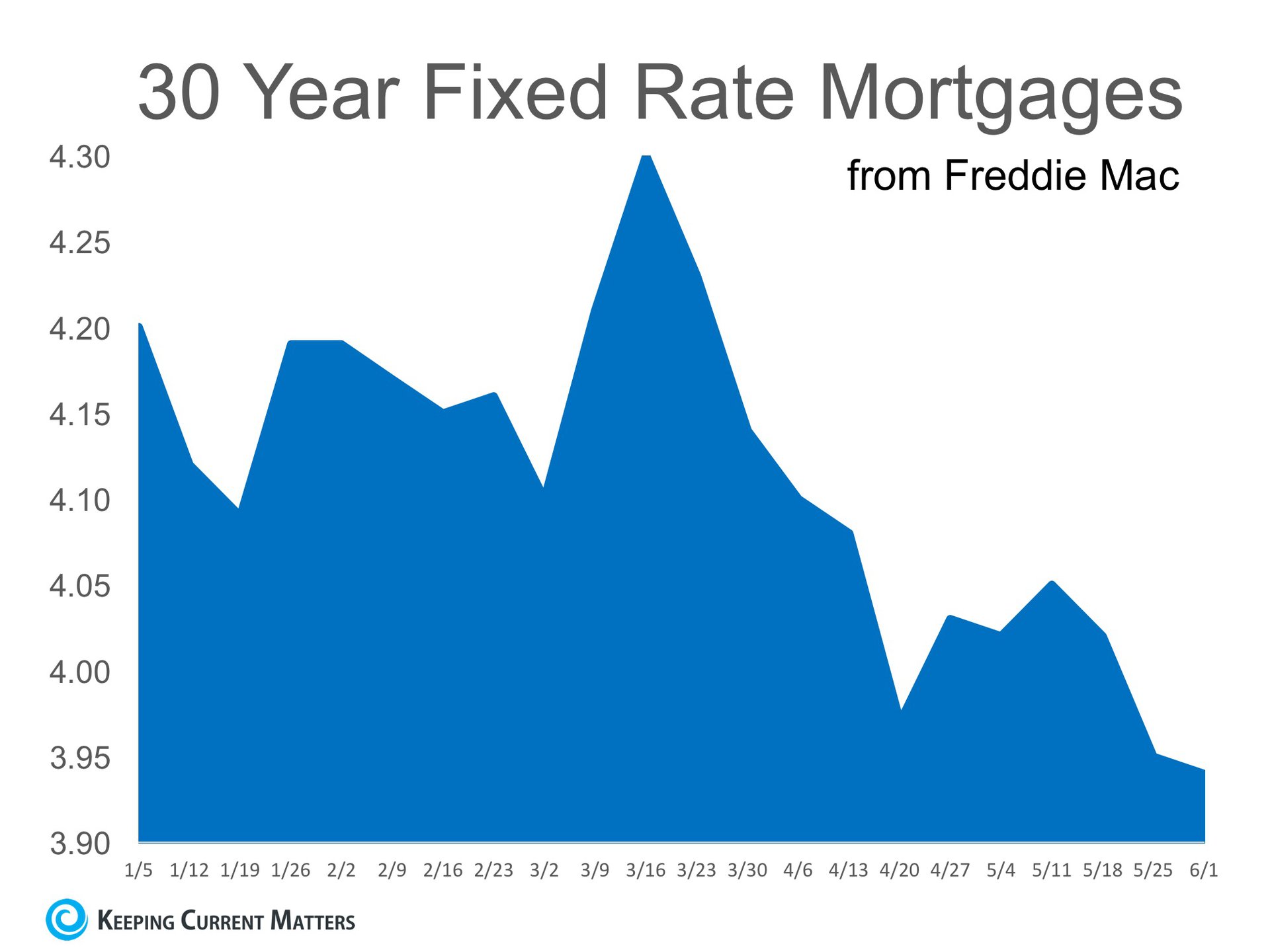
Rates of interest can change as you look for a loan, so ask loan providers if they offer a rate "lock-in" that will guarantee a specific rate of interest for a certain period of time; this allows you to purchase home loans successfully. Bear in mind that a lending institution should disclose the Interest rate (APR) of a loan to you.
It is generally higher than the interest rate since it also includes the cost of points, home mortgage insurance, and other fees included in the loan. If you have a fixed-rate home loan and interest rates drop substantially, you might want to think about refinancing. Most specialists concur that if you plan to be in your home for at least 18 months and you can get a rate of 2% less than your present rate, refinancing is a clever choice.
Discount rate points permit you to decrease your rates of interest this is what individuals indicate when they state they paid points off their mortgage. These points are basically prepaid interest, with each point equating to 1% of the overall loan quantity. Usually, for each point paid on a 30-year mortgage, the rates of interest is minimized by 1/8 (or.
So if you have a $200,000 home loan at 4.5% interest, then you could lower your interest rate to 4.375% by paying $2,000. When shopping for loans ask loan providers for a rate of interest with 0 points and then see just how much the rate reduces with each point paid. Discount rate points are clever if you prepare to remain in a house for a long time because they http://josuequnw343.bearsfanteamshop.com/h1-style-clear-both-id-content-section-0-the-main-principles-of-why-do-banks-sell-mortgages-to-other-banks-h1 can lower your regular monthly loan payment.
You can pay off your mortgage much faster by making extra payments every month or each year beyond your monthly payment requirement. This accelerates the process of paying off the loan. When you send additional money, make sure to show that the excess payment is to be applied to the principal.